
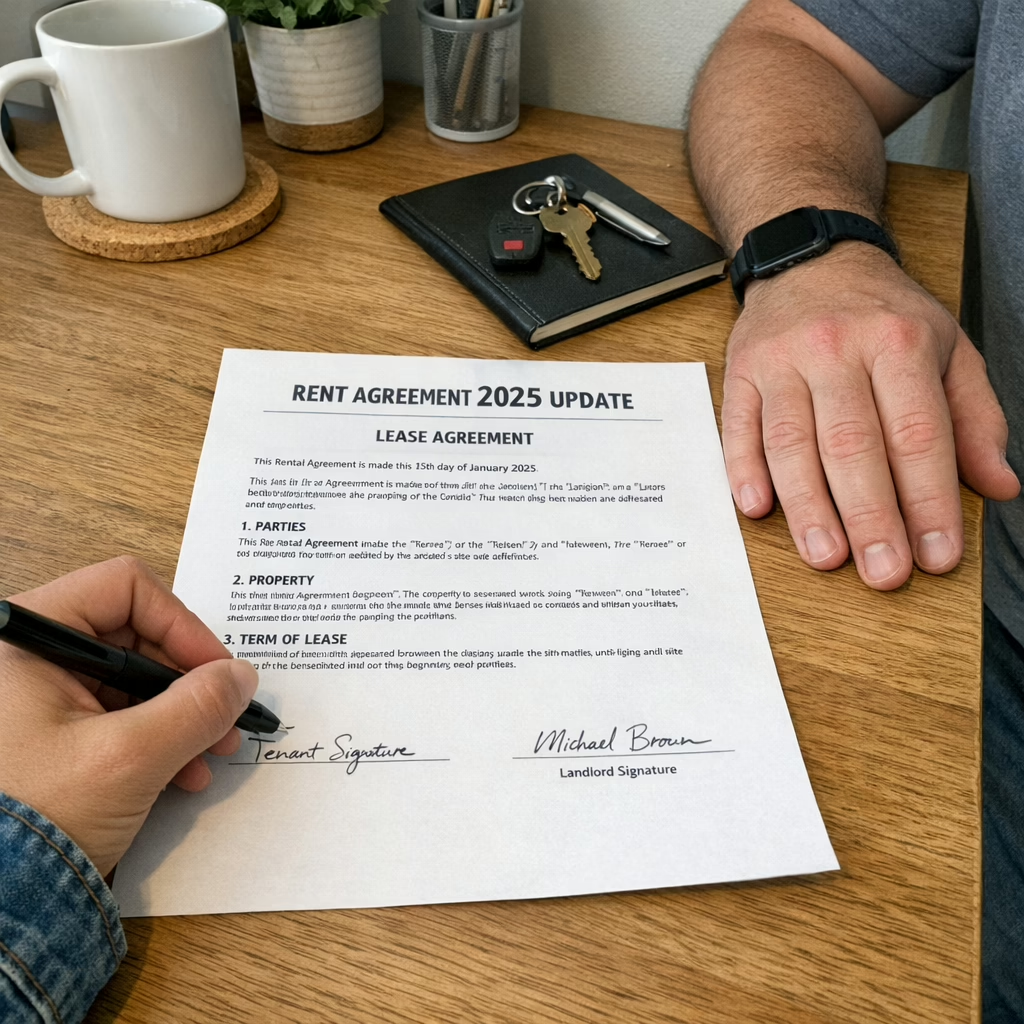
In 2025, India’s rental landscape has shifted toward a more digital, transparent, and tenant-friendly framework. These changes are largely driven by the rollout of the Model Tenancy Act (MTA) at the state level and new mandates for digital documentation.
Here are the key updates you need to know for 2025:
- Mandatory Digital Registration & Stamping
The biggest shift is the move away from informal “handshake” or paper-only deals.
- Online Registration: Many states now mandate that rent agreements be registered online within 60 days of signing.
- Digital Stamping (e-Stamp): Physical stamp papers are being phased out. Using a digital stamp is now mandatory in several regions to prevent fraud.
- Penalties: Failure to register or use digital stamping can result in penalties starting at ₹5,000, and the agreement may not be legally enforceable in Rent Tribunals.
- Standardized Security Deposits
To prevent the “10-month deposit” trend common in cities like Bengaluru and Mumbai, the 2025 rules (under the MTA framework) cap deposits:
- Residential Properties: Maximum of 2 months’ rent.
- Commercial Properties: Maximum of 6 months’ rent.
- Refund Policy: Deposits must be refunded at the time of vacating, minus any valid deductions for damages (not including “normal wear and tear”).
- Regulated Rent Hikes
Landlords can no longer increase rent arbitrarily in the middle of a stay.
- 90-Day Notice: Landlords must provide at least 3 months’ written notice before revising the rent.
- Frequency: Rent can typically be increased only once every 12 months, unless otherwise specified in a signed agreement.
- Privacy & Maintenance Rights
The new rules clearly define “who does what” to avoid common disputes:
- 24-Hour Notice: Landlords must give at least 24 hours’ notice (electronic or written) before entering the property for repairs or inspection.
- Repair Split: * Landlord: Responsible for structural repairs (walls, roof, internal plumbing, old wiring).
- Tenant: Responsible for minor maintenance (fused bulbs, tap washers, damages caused by negligence).
- Faster Dispute Resolution
Instead of waiting years in civil courts, disputes are now directed to Rent Authorities and Tribunals.
- 60-Day Goal: These special courts aim to resolve cases related to eviction or rent defaults within roughly 2 months.